
You notice it first with small print. Then with menus in dim restaurants. Then with faces across a room. You get reading glasses, and for a while that fixes it. But the glasses keep getting stronger, and eventually you realize this isn't a correctable problem — something deeper is changing.
Most people assume declining vision is simply mechanical — the lens stiffens, you need glasses, that's that. But the more dangerous process is biological, not mechanical. It's happening in the retina, where light-sensitive cells are being slowly destroyed by oxidative damage — and most people have no symptoms until they've lost a significant portion of their central vision.
The Two Processes Destroying Your Vision After 40
Vision decline after 40 happens through two distinct pathways — and understanding both matters because they require different solutions.
The first is presbyopia — the stiffening of the eye's lens that makes it harder to focus on nearby objects. This is purely mechanical and is what reading glasses correct. It begins around 40 in almost everyone and progresses predictably.
The second — and far more serious — is macular degeneration. The macula is a small, dense cluster of photoreceptor cells at the center of the retina, responsible for the sharp, detailed vision you use to read, recognize faces, and see fine color. It is the highest-resolution part of your visual system.
The macula is also the most metabolically active tissue in the body per unit area — and that activity generates enormous amounts of oxidative stress. Over decades, free radicals accumulate in the macula faster than the eye's antioxidant defenses can neutralize them. Photoreceptor cells die. Unlike neurons in the brain, retinal cells do not regenerate. Once they're gone, the vision they produced is gone with them.
Clinical Insight
The landmark AREDS2 trial — a large NIH-funded study — found that a specific combination of antioxidant nutrients reduced the risk of advanced macular degeneration by up to 25% over five years in people with early AMD. The study concluded that nutritional intervention is one of the only evidence-backed strategies available to slow AMD progression.
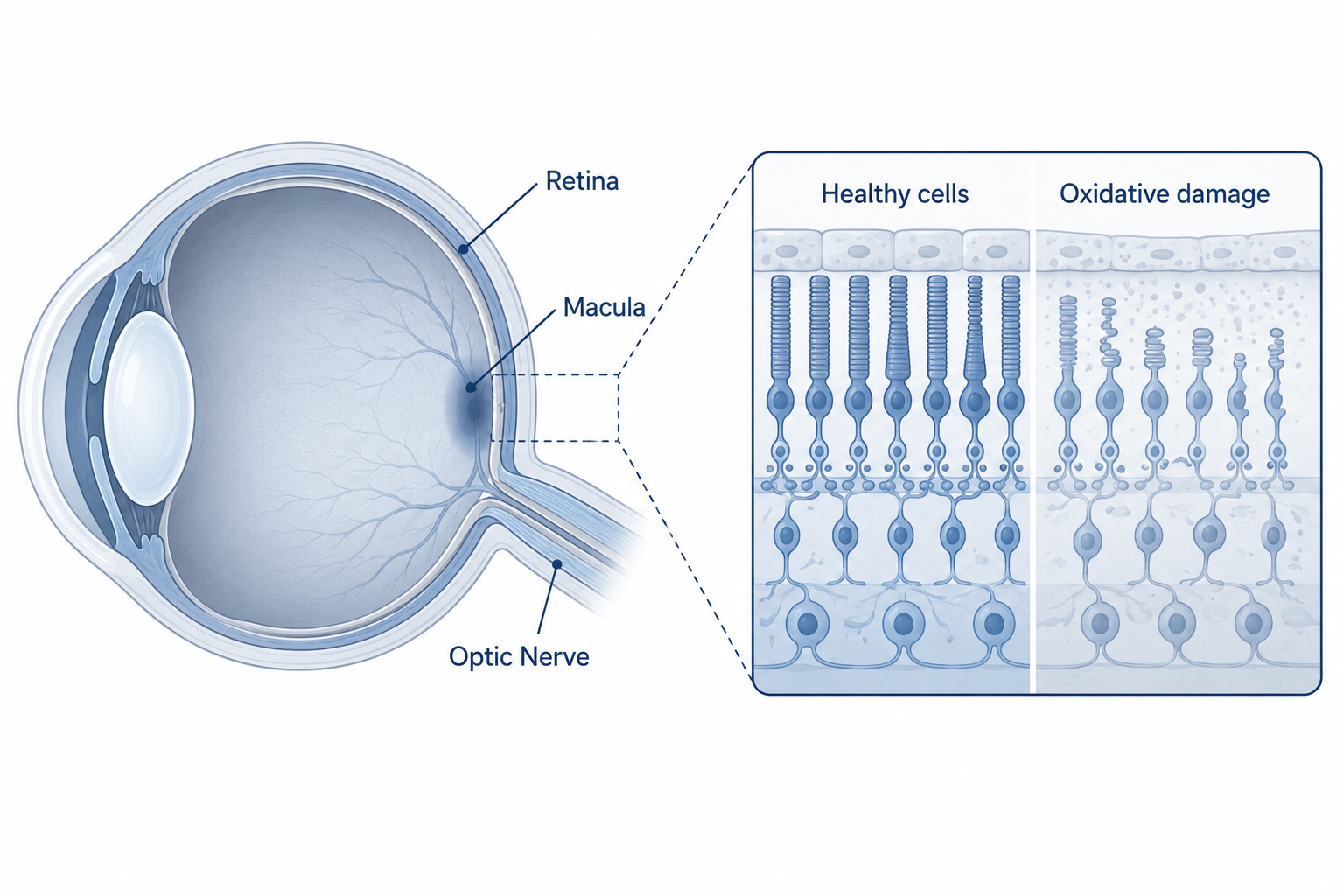
The macula — responsible for central, detail vision — is the most vulnerable part of the retina to age-related oxidative damage.
5 Signs Your Eyes Are Under Oxidative Stress
Macular damage progresses silently for years before becoming noticeable. These are the earlier warning signs most people miss or dismiss:
Difficulty adapting when moving from bright to dim light
Healthy photoreceptors adjust to changing light conditions rapidly. When macular cells are under oxidative stress, this adaptation slows noticeably — entering a dim restaurant from daylight becomes disorienting, and night driving feels harder than it used to. This dark adaptation difficulty is one of the earliest measurable signs of macular stress, often preceding any visual acuity changes.
Straight lines that look slightly wavy or distorted
Metamorphopsia — the perception of straight lines as wavy or bent — is a classic early symptom of dry AMD as the macula's photoreceptor grid begins to deform. Door frames, text lines, and window blinds are the most common objects where this is first noticed. It is often subtle and easily dismissed as tiredness, but it warrants an immediate ophthalmology evaluation.
Needing more light to read comfortably
When you find yourself moving near a window or turning on more lights to read text you would have managed easily before, it's a sign that macular photoreceptor density is declining. Contrast sensitivity — the ability to distinguish fine differences in light and shadow — is one of the first measurable capacities affected by early macular damage.
Colors appearing less vivid or slightly faded
The macula contains the highest concentration of cone cells — the photoreceptors responsible for color perception. As cone density declines, colors appear less saturated and vivid. This is often noticed first in the center of the visual field and mistaken for the quality of lighting rather than a change in the eye itself.
Eye fatigue and dryness from screen use that worsens every year
While screen-induced eye strain is partly about blinking rate and focus distance, worsening yearly tolerance to screens often reflects declining tear film quality and increasing sensitivity to blue light exposure — both of which are accelerated by oxidative stress in the anterior segment of the eye. This symptom alone doesn't indicate AMD, but it's a signal that the eye's resilience is declining.
6 Evidence-Backed Strategies to Protect Your Vision
You cannot regenerate lost photoreceptors. But you can significantly slow the rate of future damage — and for people in the early stages, that difference in trajectory is enormous:
Wear UV-blocking sunglasses year-round
Ultraviolet light — including on overcast days — directly accelerates oxidative damage in retinal tissue. Wrap-around sunglasses rated UV400 or higher block the UV spectrum that reaches the macula. This is non-negotiable for anyone over 40. Even 20 minutes of daily unprotected UV exposure to the eyes adds up over decades of cumulative damage. The investment in a quality pair of sunglasses is one of the most cost-effective eye health decisions available.
Eat dark leafy greens and orange-yellow vegetables daily
Spinach, kale, and collard greens are the highest dietary sources of lutein and zeaxanthin — the two carotenoids that concentrate in the macula and act as its primary internal sunscreen and antioxidant shield. Orange and yellow vegetables (sweet potatoes, bell peppers, corn) provide zeaxanthin specifically. Multiple studies confirm that higher dietary lutein and zeaxanthin intake correlates with lower AMD incidence and slower progression.
Add fatty fish or omega-3 supplements
DHA (docosahexaenoic acid) is a structural component of photoreceptor cell membranes — your retinal cells are literally made partly of DHA. Low DHA status is associated with accelerated macular degeneration. Salmon, sardines, and mackerel two to three times per week, or a high-quality omega-3 supplement providing at least 1g of combined DHA/EPA daily, provides measurable retinal protection.
Follow the 20-20-20 rule for screen use
Every 20 minutes of screen time, look at something at least 20 feet away for 20 seconds. This breaks the sustained close-focus contraction of the ciliary muscle that causes eye fatigue and reduces blink rate. While this doesn't directly protect the macula, it reduces the accumulated daily stress on the eye that worsens age-related symptoms. Enable night mode or blue-light filtering on all devices after sunset.
Control blood sugar and blood pressure
The retina has the highest density of blood vessels of any tissue in the body. High blood sugar (diabetic retinopathy) and high blood pressure (hypertensive retinopathy) both damage these microvessels, starving photoreceptors of oxygen. Managing metabolic health is inseparable from managing eye health — people with well-controlled blood sugar and blood pressure have dramatically lower rates of vision-threatening retinal disease.
Get an annual dilated eye exam after 40
Early AMD produces no symptoms. By the time vision changes are noticeable, significant photoreceptor loss has already occurred. A dilated fundus exam allows an ophthalmologist to visualize the macula directly and detect drusen (early AMD deposits) years before vision is affected — when preventive measures have the greatest impact. This is not optional after 50.
The Case for Targeted Retinal Antioxidant Support
Diet provides a foundation, but achieving the therapeutic concentrations of lutein, zeaxanthin, and astaxanthin shown in clinical trials to protect macular tissue is difficult through food alone — particularly for people who don't consistently eat dark leafy greens or fatty fish.
This is where targeted eye health formulas become clinically relevant. The two we've reviewed most thoroughly — iGenics and Visiflora — approach retinal protection from complementary angles:
Macular Antioxidant Target
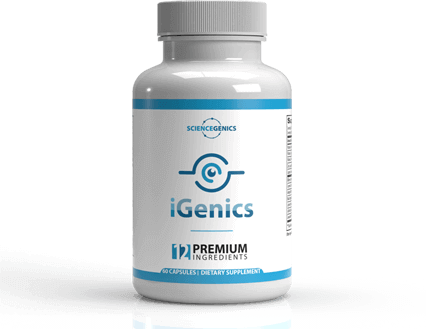
iGenics
Formulated around the AREDS2-validated nutrient stack — Lutein (10mg), Zeaxanthin (2mg), Zinc, Vitamin C, and Vitamin E — plus Astaxanthin for additional blue-light filtration. Targets the oxidative damage mechanism in the macula directly, with every ingredient backed by published clinical evidence for retinal protection.
Retinal Circulation Target
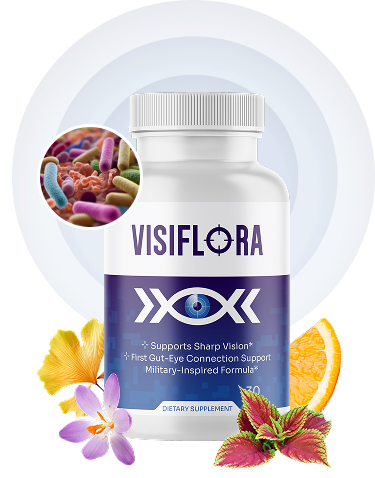
Visiflora
Approaches vision protection through retinal microcirculation — using Bilberry extract (rich in anthocyanins that strengthen capillary walls), Ginkgo biloba for blood flow to the optic nerve, and DHA for photoreceptor membrane integrity. Complementary to antioxidant approaches and particularly relevant for people with circulation-related visual symptoms.
Disclosure: MD Clinical Reports earns a commission if you purchase through our links, at no extra cost to you. We only recommend products we have independently reviewed.