
It starts so quietly you almost don't notice it. A faint hiss in the background. Then one night, lying in bed in a silent room, it's the loudest thing you can hear — a high-pitched whine, or a low drone, or a chorus of ringing that never, ever stops.
If you've been told "it's just part of aging" or "there's nothing you can do," you were given incomplete information. Tinnitus has a specific biological cause — and that cause is increasingly well understood.
The Real Cause: It's a Brain Signal Problem, Not an Ear Problem
Most people assume tinnitus originates inside the ear — a structural problem with the eardrum, fluid, or cochlea. But neuroscience has largely moved past this. The current understanding is that tinnitus is a neurological phenomenon: a miscommunication between the ear and the brain.
Here's what happens: The inner ear contains thousands of microscopic hair cells that convert sound vibrations into electrical signals, which then travel along the auditory nerve to the brain. When these hair cells are damaged — by loud noise, inflammation, poor circulation to the cochlea, or oxidative stress — they begin to misfire. They send erratic, spontaneous electrical signals even in the absence of any real sound.
The brain receives those phantom signals and does what brains do: it interprets them. The ringing you hear is your brain responding to electrical noise that shouldn't be there. The sound is real — it's just not coming from the world around you.
Clinical Insight
A 2024 review in Frontiers in Neuroscience confirmed that chronic tinnitus correlates with measurable neuroinflammation in the auditory cortex — the brain region that processes sound. Reducing this inflammation, not masking the noise, is the emerging clinical target.
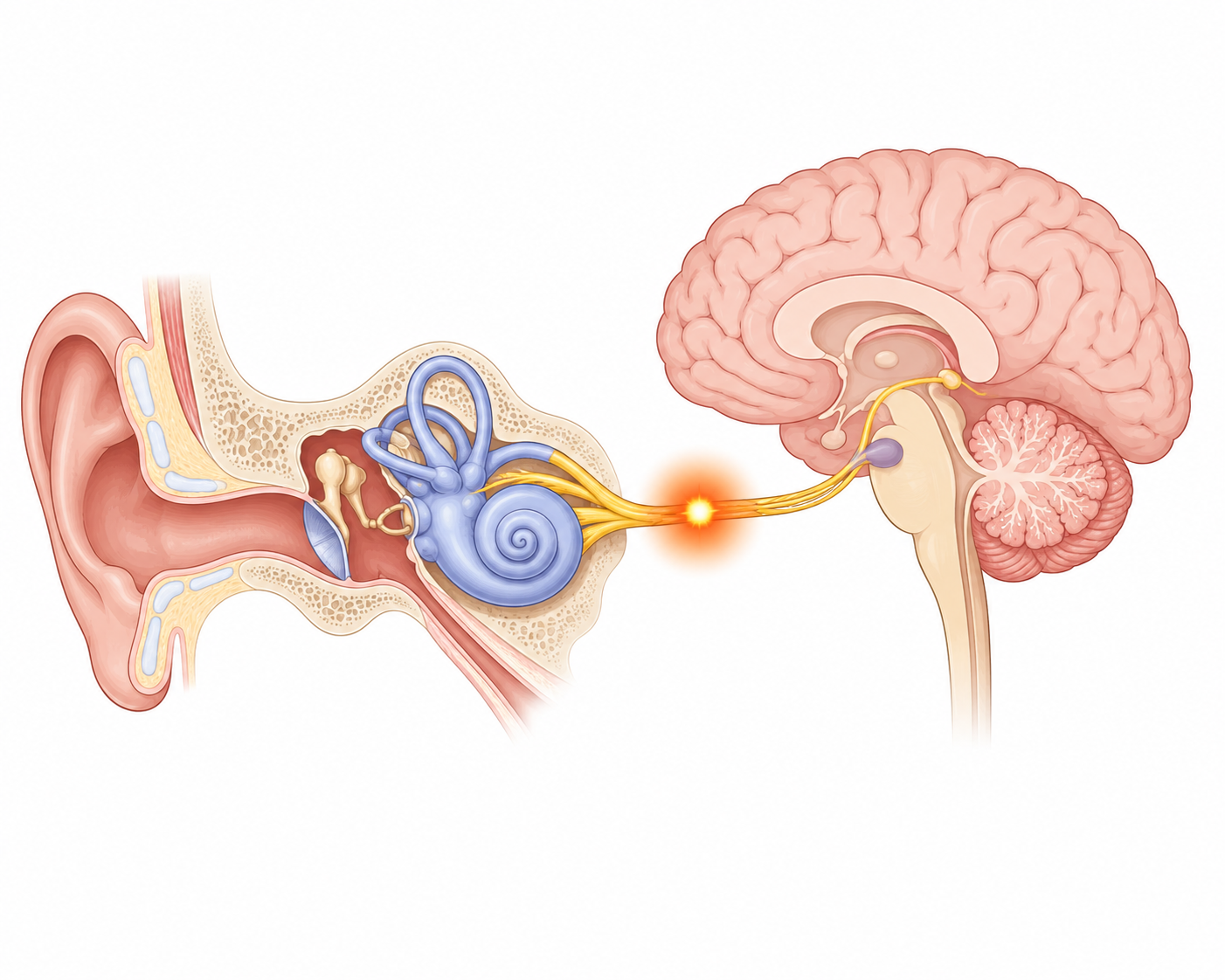
Damaged hair cells in the cochlea send misfiring signals along the auditory nerve — which the brain registers as phantom sound.
What Actually Damages the Auditory Nerve?
The auditory nerve and cochlear hair cells are vulnerable to several specific stressors — understanding them matters because most are partially within your control:
Prolonged noise exposure
This is the most common cause. A single loud event (explosion, concert) or years of moderate noise (headphones, machinery) generates oxidative stress in the cochlea, destroying hair cells that — unlike most cells — cannot regenerate. Once they're gone, they're gone. Prevention matters far more than treatment here.
Reduced blood flow to the inner ear
The cochlea is one of the most metabolically active organs in the body and among the most sensitive to blood supply changes. Cardiovascular issues, high blood pressure, and arterial inflammation reduce micro-circulation to the cochlea, starving hair cells of oxygen and accelerating their deterioration.
Chronic neuroinflammation
Systemic inflammation — driven by poor diet, metabolic dysfunction, or autoimmune activity — spreads to the auditory pathway. Inflammatory cytokines damage the myelin sheath that insulates auditory nerve fibers, causing erratic signal transmission. This is why tinnitus often worsens during periods of stress or illness.
Zinc and magnesium deficiency
Both minerals are critical for auditory nerve function. Zinc protects cochlear hair cells from noise-induced oxidative damage. Magnesium regulates the NMDA receptors in auditory neurons that, when overstimulated, cause the excitatory misfiring behind tinnitus. Studies show that significant proportions of chronic tinnitus patients are deficient in one or both.
Ototoxic medications
Dozens of common medications are toxic to cochlear hair cells: high-dose aspirin, certain antibiotics (aminoglycosides), loop diuretics, and some chemotherapy agents. Tinnitus that began shortly after starting a new medication deserves a conversation with your prescribing physician.
6 Evidence-Backed Strategies to Reduce Tinnitus Volume
None of these are instant fixes. But each targets a specific mechanism behind tinnitus — and used together, they create conditions where the auditory system can begin to quiet down.
Protect what you still have
If you're already experiencing tinnitus, your hair cells have sustained some damage. Preventing further damage is non-negotiable. Use earplugs or noise-canceling headphones in environments above 85 decibels (lawn mowers, concerts, power tools). Keep headphone listening below 60% volume. This won't reverse existing tinnitus, but it prevents progression.
Reduce sodium and caffeine intake
High sodium increases fluid pressure in the inner ear — worsening tinnitus in a similar mechanism to Ménière's disease. Excess caffeine constricts blood vessels, reducing cochlear micro-circulation. Many tinnitus sufferers report measurable volume reduction within 2 to 3 weeks of lowering both.
Improve sleep and stress management
Tinnitus and the sympathetic nervous system are tightly linked. Elevated cortisol from chronic stress amplifies the perception of phantom sounds and increases neuroinflammation in the auditory cortex. Sleep deprivation does the same. Consistently prioritizing sleep — and addressing anxiety through CBT or mindfulness — reduces perceived tinnitus volume as reliably as most clinical interventions.
Use sound masking for sleep
White noise, pink noise, or nature sounds at a low volume disrupt the silence that makes tinnitus most intrusive. This isn't a treatment — it's a symptom management strategy that allows your nervous system to calm down, sleep better, and break the anxiety loop that amplifies tinnitus perception during quiet hours.
Exercise for cochlear circulation
Aerobic exercise — 30 minutes, 4 times a week — measurably improves micro-circulation throughout the body, including the cochlea. Improved blood flow delivers more oxygen and nutrients to surviving hair cells and auditory nerve fibers, supporting their function and reducing inflammatory burden. Multiple clinical studies link regular aerobic activity to reduced tinnitus severity scores.
Target the nutrient deficiencies most linked to tinnitus
Zinc (15–30mg daily), Magnesium (300–400mg daily), B12 (especially in older adults), and Ginkgo biloba (120–240mg standardized extract) each have controlled clinical trial data showing benefit in specific tinnitus subgroups. These aren't miracle cures, but for people who are deficient — which is common — addressing them can produce real reductions in perceived sound intensity.
The Case for Targeted Auditory Supplements
Getting therapeutic doses of every relevant nutrient from food alone is genuinely difficult. It requires coordinating zinc-rich foods, magnesium-rich foods, B12 sources, and consistent Ginkgo consumption — while managing intake levels precisely enough to matter clinically but not exceed safe ranges.
This is why well-formulated auditory support supplements have become an active area of clinical interest. The two we've reviewed most thoroughly — Audifort and Quietum Plus — take different mechanistic approaches, both grounded in the neuroscience of tinnitus:
Neural Inflammation Target
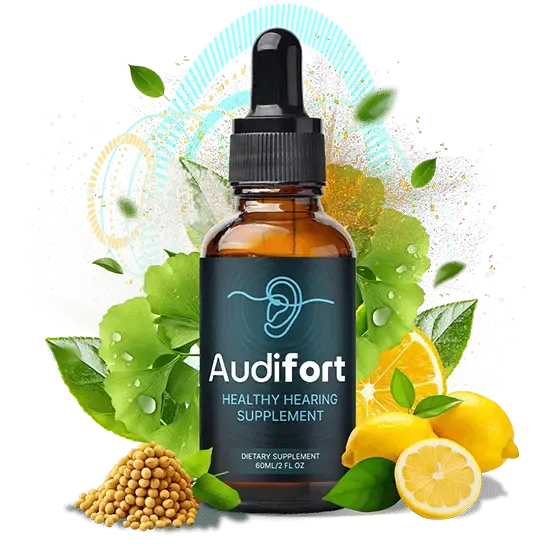
Audifort
Formulated specifically to target neuroinflammation along the auditory nerve pathway. Its 8-ingredient matrix includes Ginkgo biloba for cochlear circulation, NAC for oxidative protection of hair cells, and B-complex vitamins for myelin sheath repair — addressing the three main mechanisms behind chronic tinnitus misfiring.
Auditory Nerve Repair Target
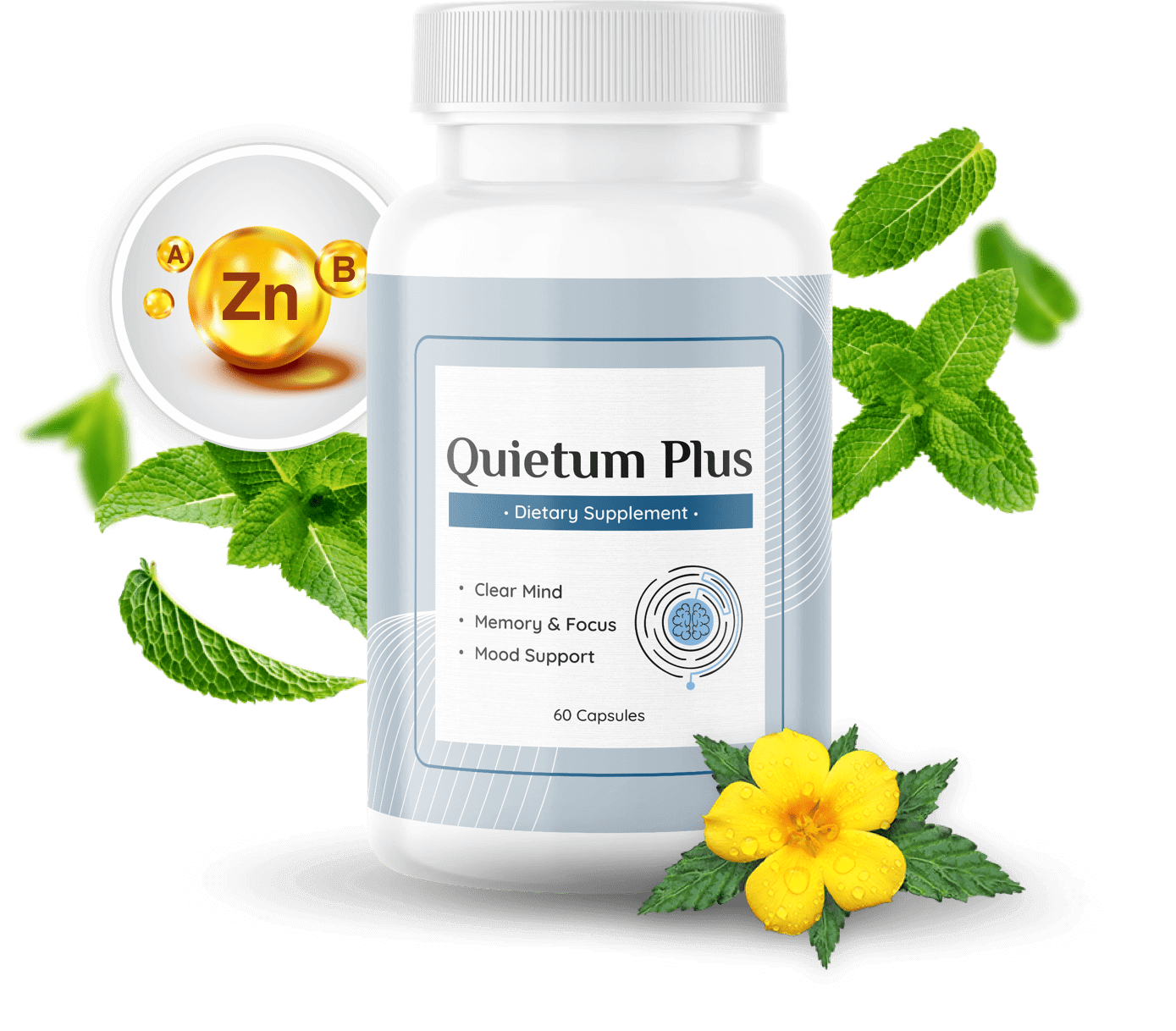
Quietum Plus
Approaches tinnitus from the nerve regeneration angle — targeting the "hearing wire," the neural pathway that transmits signals from ear to brain. Its adaptogenic formula uses Ashwagandha to calm the hyperactive nervous system response that amplifies tinnitus perception, alongside Mucuna Pruriens and Maca Root for neurotransmitter support.
Disclosure: MD Clinical Reports earns a commission if you purchase through our links, at no extra cost to you. We only recommend products we have independently reviewed.