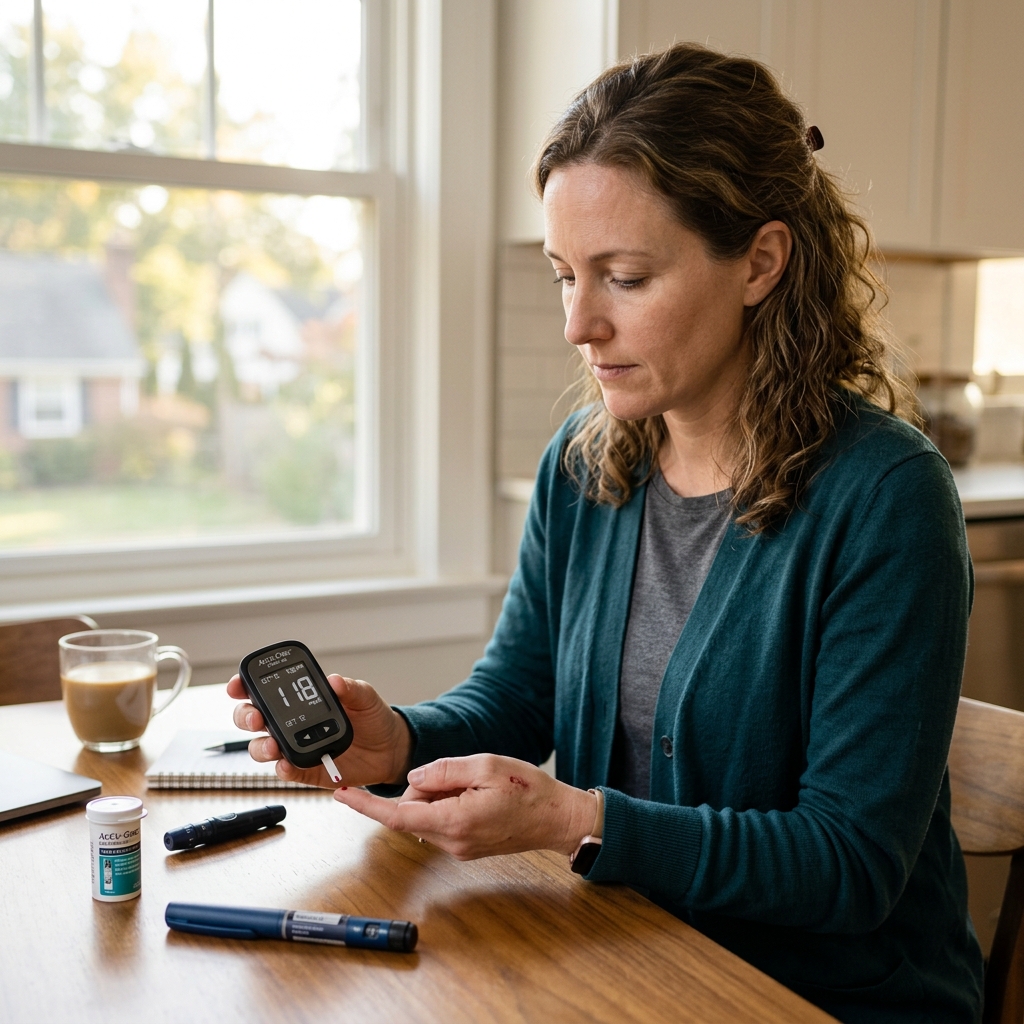
It is the ultimate metabolic paradox: You stop eating at 8:00 PM. You sleep for 8 hours. You wake up, test your blood sugar, and stare at the monitor in disbelief. The number is completely elevated. How can your blood sugar go up when you haven't consumed a single calorie?
This frustrating occurrence is incredibly common. In the medical community, it is known as the Dawn Phenomenon. It has nothing to do with what you ate for breakfast (since you haven't eaten) and everything to do with your liver, your stress hormones, and your cellular insulin sensitivity.
The Biology of the Morning Surge
To understand the Dawn Phenomenon, you must understand how your body prepares to wake up. Between 3:00 AM and 8:00 AM, your endocrine system initiates a cascade of hormonal events designed to transition you from deep sleep to active wakefulness.
Your adrenal glands begin secreting a surge of cortisol (the stress and alertness hormone), adrenaline, and growth hormone. This hormonal cocktail sends a direct signal to your liver: "We are about to wake up. We need energy now."
In response, your liver performs a process called gluconeogenesis (literally "making new glucose") and glycogenolysis (breaking down stored glucose). It floods your bloodstream with sugar to provide the fuel necessary to get out of bed and start your day.
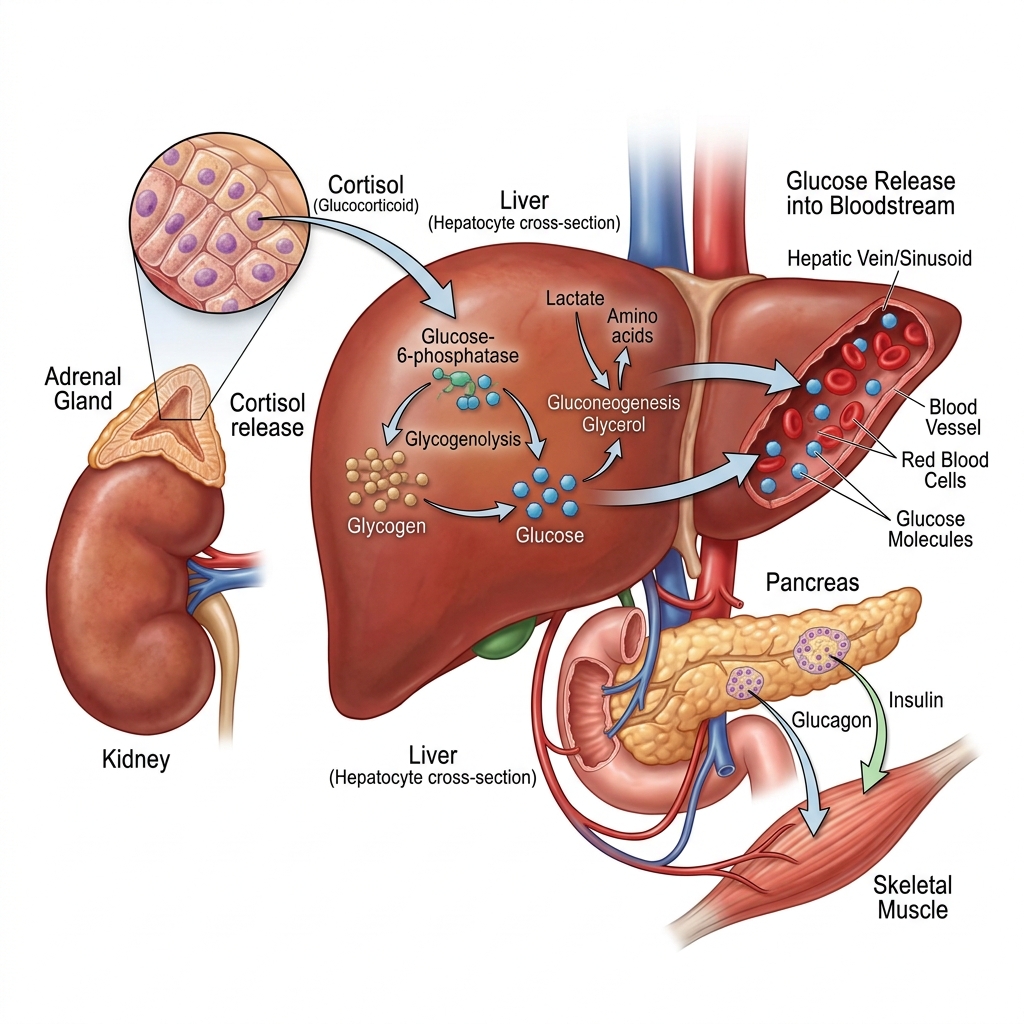
During the early morning hours, the liver dumps stored glucose into the bloodstream in response to a spike in cortisol and growth hormone.
Why It Only Affects Certain People
Every human being experiences this morning hormonal surge and glucose release. So why does the Dawn Phenomenon only cause high readings in people over 40 with metabolic struggles?
The answer is Insulin Resistance. In a metabolically flexible, insulin-sensitive person, the pancreas detects the liver's glucose dump and immediately secretes a small amount of insulin. This insulin acts as a "key," opening the cells to absorb the glucose. The blood sugar remains perfectly stable.
The Core Problem
If you have insulin resistance, your cells have essentially "changed the locks." The pancreas secretes insulin, but the cells ignore the signal. The liver dumps the glucose into the blood, but the cells refuse to absorb it. The glucose is trapped in the bloodstream, leading to a high fasting reading on your monitor.
3 Clinical Protocols to Stop the Dawn Phenomenon
You cannot stop the morning hormonal surge—it is a vital human function. However, you can dramatically improve how your body handles the glucose dump by utilizing these three evidence-backed strategies:
1. The 15-Minute Post-Dinner Walk
Walking at a moderate pace for just 15 minutes immediately after dinner forces your leg muscles to use glucose directly from your bloodstream without requiring insulin. This depletes your muscle glycogen stores before you go to sleep, meaning your body is more primed to absorb the morning liver dump.
2. The Apple Cider Vinegar Nightcap
Clinical studies, including research published in the Journal of Diabetes Care, have shown that consuming 2 tablespoons of Apple Cider Vinegar with water and a small piece of cheese (protein/fat) right before bed can significantly reduce fasting morning glucose. The acetic acid alters enzymes in the digestive tract and improves overnight insulin sensitivity.
3. Reactivating the GLUT-4 Receptors
GLUT-4 is the specific protein receptor responsible for transporting glucose out of your blood and into your muscle cells. In insulin-resistant adults, these receptors become "dormant" or sticky. Clinical nutritionists often focus on specific botanicals that reactivate GLUT-4 independently of insulin.
Targeted Intervention
Addressing the Root of the Dawn Phenomenon: GLUT-4 Reactivation
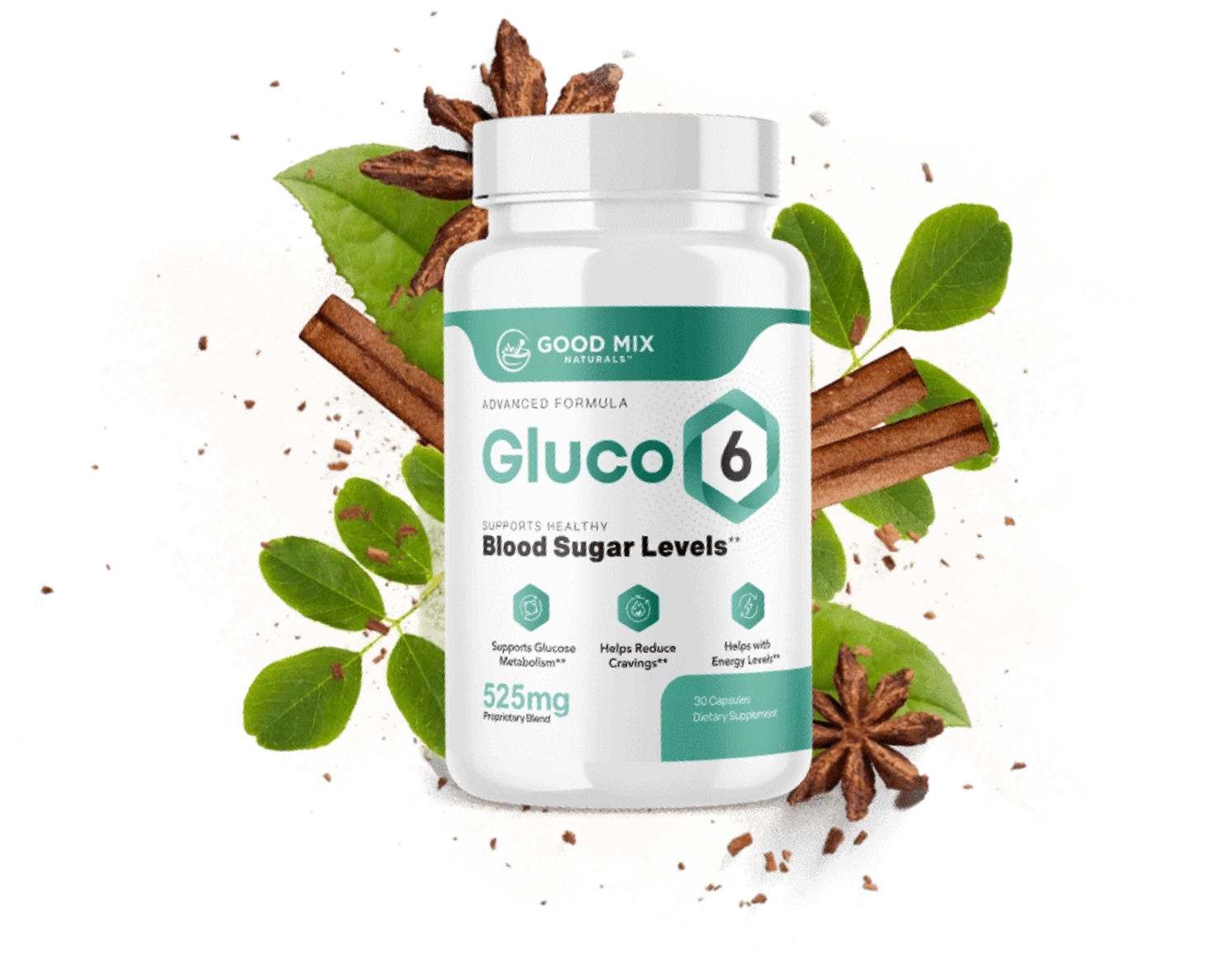
While lifestyle changes are crucial, targeted supplementation can accelerate the recovery of insulin sensitivity. Gluco6 is a specialized formulation backed by Harvard research that utilizes a rare prebiotic called Sukre. This specific compound has been clinically demonstrated to bind to excess blood sugar and reactivate dormant GLUT-4 receptors, opening the cellular doors that insulin resistance forced closed.
Disclosure: MD Clinical Reports earns a commission if you purchase through our links, at no extra cost to you. We only recommend products we have independently reviewed.